
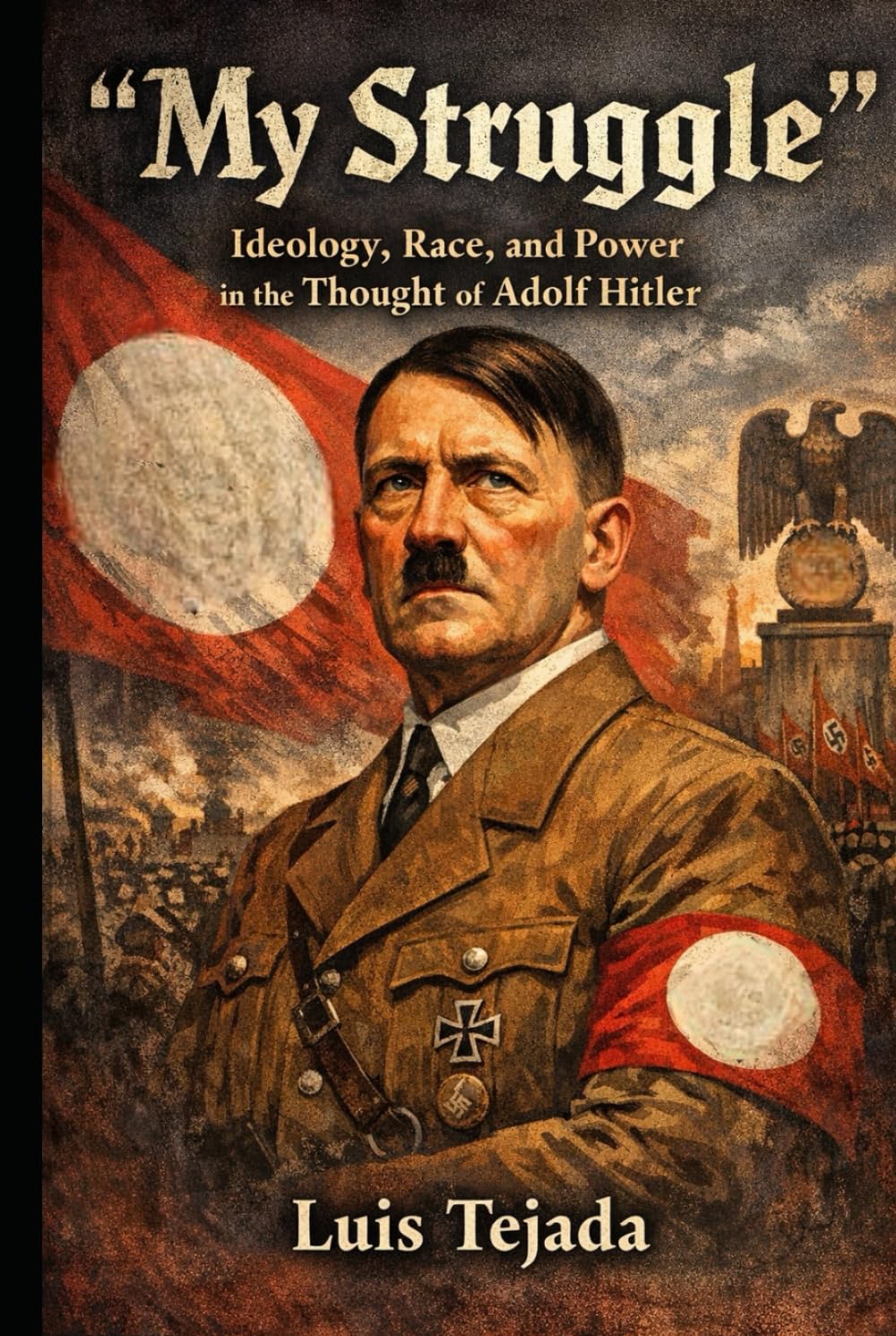
My Struggle: Ideology, Race, and Power in the Thought of Adolf Hitler (Ideología de Adolfo Hitler) Hardcover – January 15, 2026
Product details
| Management number | 220509153 | Release Date | 2026/05/03 | List Price | $10.40 | Model Number | 220509153 | ||
|---|---|---|---|---|---|---|---|---|---|
| Category | |||||||||
Mein Kampf, written by Adolf Hitler in 1924 during his imprisonment following the failed Munich coup known as the Beer Hall Putsch, has become one of the most infamous and dangerous texts of the 20th century. This book, conceived as an ideological and autobiographical manifesto, contains the fundamental principles and beliefs that would guide the policies of the Nazi Party and, eventually, Germany during the Third Reich. Since its publication, Mein Kampf has been the subject of extensive critical analysis, offering a direct insight into the doctrines that would lead to World War II and the Holocaust.The context in which Hitler wrote Mein Kampf is crucial for understanding the roots of his thinking. Germany, devastated by World War I, was immersed in an economic, political, and social crisis following the signing of the Treaty of Versailles in 1919, a treaty Hitler considered a humiliation for his nation. In the years following the war, the country experienced rampant hyperinflation, constant political upheaval, and the rise of extremist left-wing and right-wing movements. It was in this climate of instability that Hitler began to build his messianic vision of "saving" Germany from its internal and external enemies. Prison provided him with the time and space to articulate his ideas, which would later serve as the ideological framework for the Nazi regime.Mein Kampf is not merely a political treatise but a blend of autobiography, ideological exposition, and a plan for Germany's future. The first volume of the work, which Hitler dictated to his assistant Rudolf Hess, recounts his early life, personal failures, and political impressions, from his years in Vienna to the end of World War I. It is here that Hitler begins to shape his concept of race, his visceral hatred of Jews, and his conviction that racial purity is the key to a nation's survival. In his memoirs, Hitler presents a narrative in which he sees himself as a man chosen by destiny to lead Germany to its resurgence.The second volume of Mein Kampf more systematically outlines Hitler’s political ideology. Here, he details his ideas on the racial superiority of the "Aryans," his aversion to democracy, and his belief in the need for an authoritarian leader to guide the nation to greatness. Additionally, he introduces his theory of Lebensraum ("living space"), the notion that Germany needed to expand eastward, conquering territories to ensure the sustenance of the German race. This idea of territorial expansion and racial domination would become one of the pillars of Nazi foreign policy and the justification for the invasions that marked the beginning of World War II.A key element in Mein Kampf is the virulent anti-Semitism that permeates the entire work. Hitler not only blames the Jews for Germany’s ills but describes them as an existential threat to civilization. In his narrative, Jews are not merely an ethnic or religious group but a conspiratorial and malevolent force that must be eradicated to ensure the purity and survival of the German people. This dehumanization of the Jews, along with the promotion of violence as a means to achieve political goals, forms the core of the genocidal ideology that would culminate in the Holocaust.However, beyond its explicitly ideological content, Mein Kampf also reflects Hitler's mastery of propaganda and his understanding of the power of mass manipulation. Hitler details how propaganda must be simple, emotional, and directed at the masses to be effective. This understanding of political communication was one of the keys to the Nazi Party's success, which managed to mobilize large sectors of the German population through the use of simple messages and appeals to national and racial identity. Read more
| ISBN13 | 979-8244111521 |
|---|---|
| Language | English |
| Publisher | Independently published |
| Dimensions | 6.24 x 0.65 x 9.24 inches |
| Item Weight | 13 ounces |
| Reading age | 8 - 18 years |
| Print length | 204 pages |
| Part of series | Ideología de Adolfo Hitler |
| Publication date | January 15, 2026 |
Bestseller ranking
British & Irish


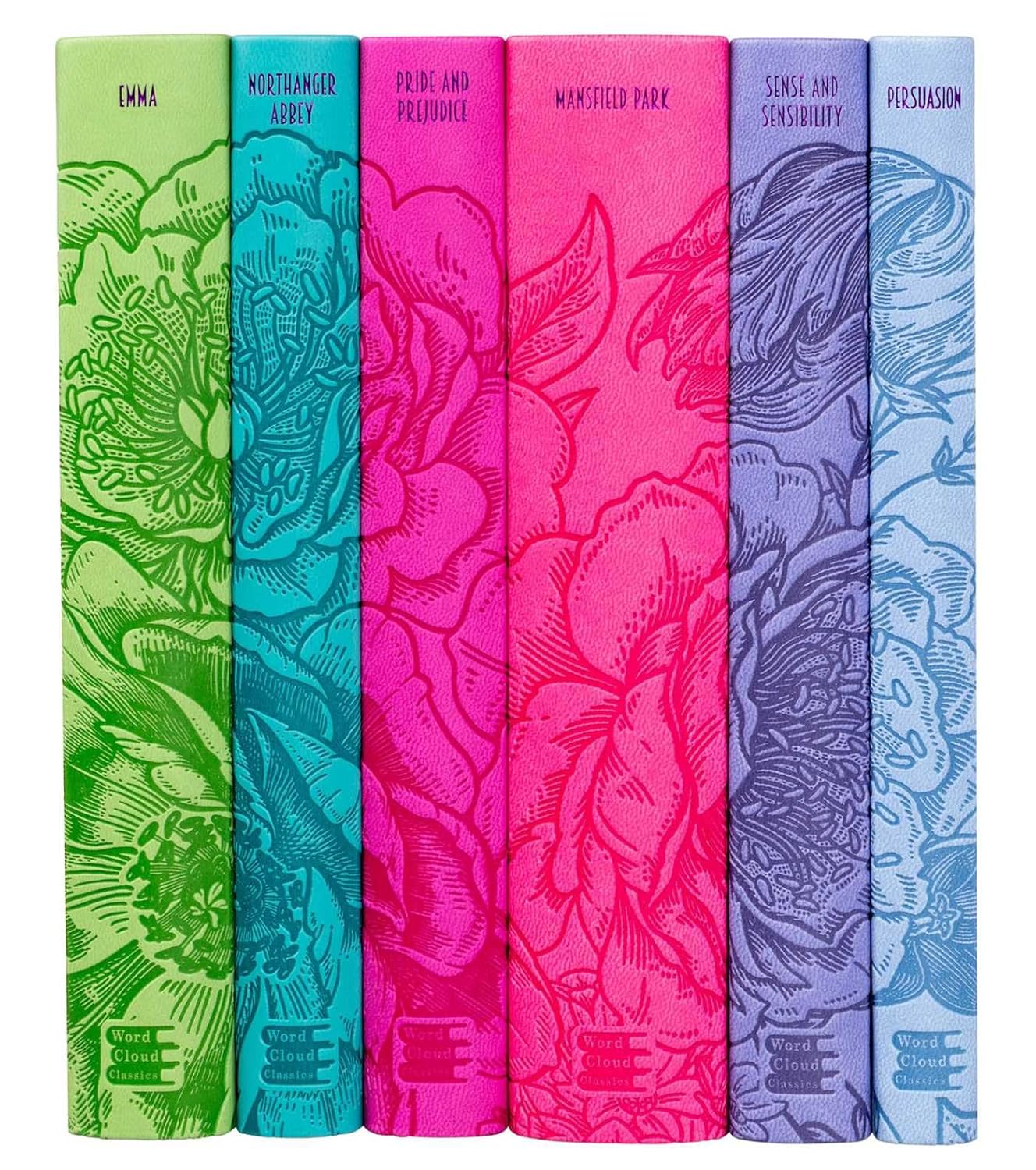
Customers who viewed this product also viewed
History & Theory


Correction of product information
If you notice any omissions or errors in the product information on this page, please use the correction request form below.
Correction Request Form